
Dr David Faro explains how behavioural science can instigate action.
Many of the world’s most pressing sustainability challenges – from climate change and biodiversity loss to water scarcity and plastic pollution – require people to act today in response to threats whose consequences seem far away. Donor funded research at LBS plays a key role in shaping how organisations and policymakers communicate these threats in ways that encourage action.
Dr David Faro, Associate Professor of Marketing, whose recent work in collaboration with Ozlem Tetik (PhD19) looked at how news about environmental threats is communicated, explores how behavioural science impacts the messaging of future sustainability risks. A review of over 100,000 news articles showed that the vast majority which highlight future environmental threats communicate using calendar dates, such as ‘by 2040’ or ‘by 2050’. Yet in partnering with both a news organisation and a rainforest conservation NGO on levels of engagement, David and Ozlem were able to show that describing the same threat in terms of the time remaining until it occurs – for example, ‘within 20 years’ – makes time feel like a resource that is running out, thus encouraging the desired response in terms of donations and support. David reflects on this approach:
It focuses on time as a resource that can and should be used, thus encouraging individuals and companies to be more proactive.
More recently, this time-left change to framing intervention has become one of a small number of research projects to be tested in a large, internationally coordinated field experiment. The project aims to motivate collective action against plastic pollution and brings together researchers from multiple institutions and countries, working with the global NGO Break Free From Plastic to identify practical ways of encouraging sustainable behaviour at scale.

One of the biggest challenges facing business leaders and policymakers is how to articulate the pressing need to advance in a sustainable way, as the consequences of environmental and social threats can seem remote and intangible. Donor-funded research at LBS is demonstrating new and effective communication methods that illustrate the need to engage and act with urgency.
Donor funding has always been a crucial component in driving this sort of work forward. It will be further advanced through the £5m LBS Catalyst Fund, a philanthropic investment designed to accelerate the School’s leadership in responsible business, policy‑relevant insight and future‑focused management education. The Fund provides flexible support for new thinking and innovation across teaching, research and initiatives that translate insight into real‑world influence, helping to shape business practice and policy for long‑term impact.
David is clear that “Behavioural research often requires years of development, testing, replication and collaboration before findings can be applied in real-world settings. Support from donors helps researchers build partnerships with organisations, conduct large-scale field studies and bring research into the classroom. By investing in research at London Business School, donors help create evidence that can inform business practice, support effective communication and contribute to tackling some of society’s most important environmental and social challenges.”

David Faro, Associate Professor of Marketing at London Business School, talks about his research on temporal frames of environmental threats.
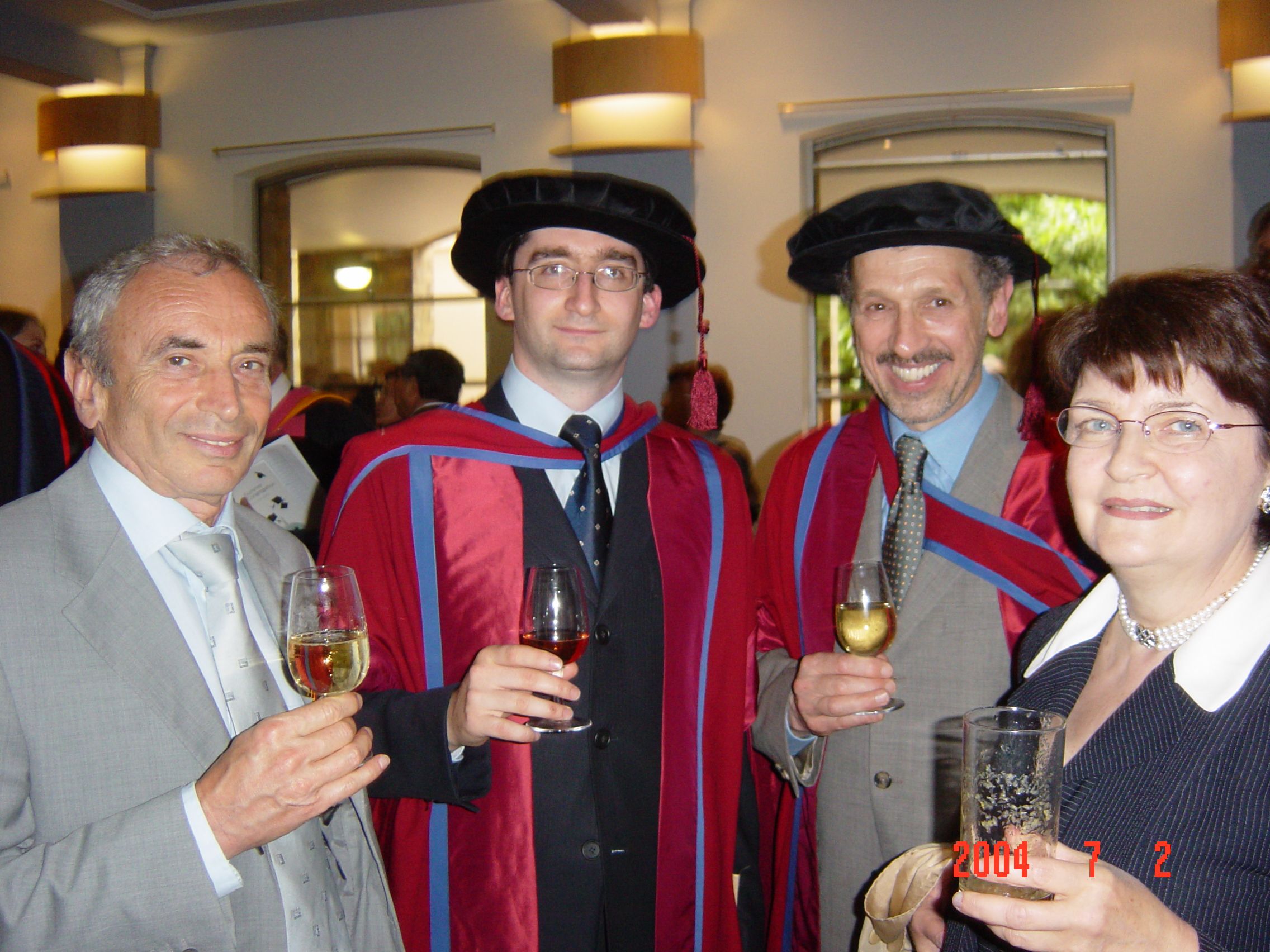
Ilya Strebulaev PhD1999 is a trailblazer who recognises the importance and impact of philanthropy in this crucial academic area.

LBS professor John Mullins is preparing leaders to use AI responsibly to solve real-world challenges.

Or explore one of the areas below: